

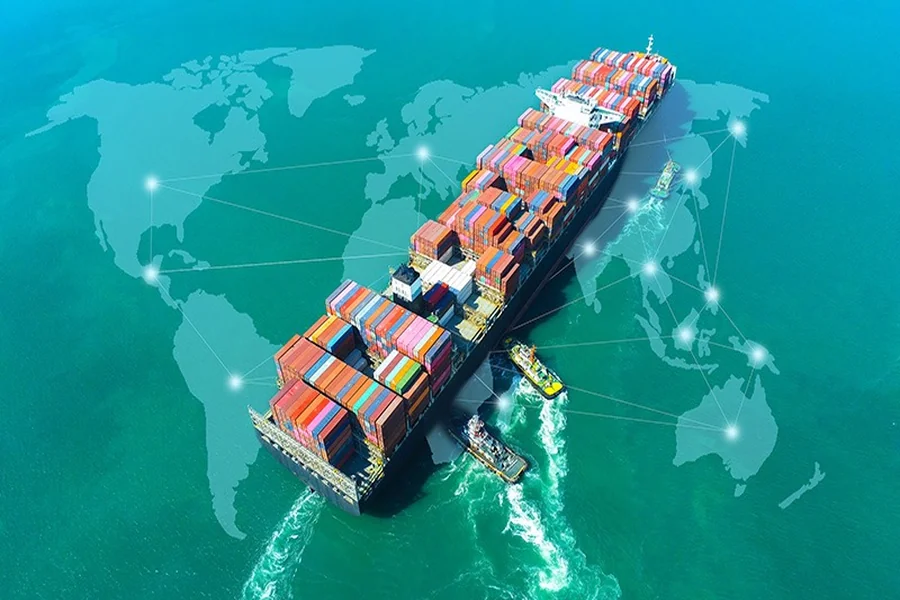
Global supply chains have always been vulnerable to disruptions, but recent years have shown just how fragile they can be. Trade wars, sanctions, shifting alliances, and even regional conflicts have had ripple effects on industries worldwide. Businesses that once relied on stable trade networks are now forced to rethink their strategies. Geopolitical risks are no longer rare disruptions—they’re becoming part of the baseline for supply chain planning.
Why Geopolitical Risks Are Growing
Several trends have made supply chains more exposed than ever before:
- Global Trade Tensions – Ongoing disputes between major economies, such as the U.S. and China, have reshaped tariffs, quotas, and market access.
- Regional Conflicts and Sanctions – Wars and sanctions can suddenly cut off access to raw materials or logistics hubs.
- Shifting Trade Alliances – Free trade agreements and regional partnerships may change sourcing incentives overnight.
- Regulatory Divergence – Countries are increasingly implementing unique compliance requirements, making cross-border trade more complex.
These risks combine to create uncertainty that can stall production, raise costs, and reduce flexibility for businesses that are unprepared.
How Disruptions Are Affecting Supply Chains
The effects of geopolitical turbulence are already visible:
- Increased Costs: Higher tariffs and longer shipping routes often raise the landed cost of goods.
- Supply Shortages: Export bans or embargoes can quickly choke off access to essential raw materials.
- Operational Delays: Border checks, shifting customs rules, and sudden sanctions can create bottlenecks.
- Strategic Reconsideration: Companies are being forced to evaluate reshoring, nearshoring, or diversifying suppliers.
For example, the semiconductor industry saw major bottlenecks when U.S.-China tensions limited the flow of key manufacturing inputs. Similarly, European manufacturers have faced material shortages due to sanctions on Russia.
Building Supply Chain Resilience
The good news is that companies can take proactive steps to mitigate these risks. Resilient supply chains are no longer just efficient—they are flexible, diversified, and transparent. Key strategies include:
- Diversifying Supplier Base: Avoiding over-reliance on one country or supplier reduces vulnerability to sudden policy changes.
- Supplier Audits and Risk Assessments: Regular evaluations help identify potential red flags before they become costly disruptions.
- Scenario Planning: Companies that simulate disruptions can prepare contingency plans and act faster when risks materialize.
- Investing in Technology: Digital tools that improve visibility, such as blockchain tracking or AI-powered forecasting, allow for faster responses.
- Social and Compliance Checks: Verifying suppliers’ compliance with labor and regulatory standards ensures sustainability while minimizing legal exposure.
Companies that integrate supplier audits and business verification checks into their supply chain strategy gain a stronger foundation for long-term resilience. Factory and supplier audits can uncover vulnerabilities, while business verification programs ensure partners are legitimate and compliant.
The Path Forward
In today’s environment, resilience is no longer optional—it’s a competitive advantage. Organizations that prepare for disruption, instead of reacting to it, can keep operations stable while competitors struggle.
