

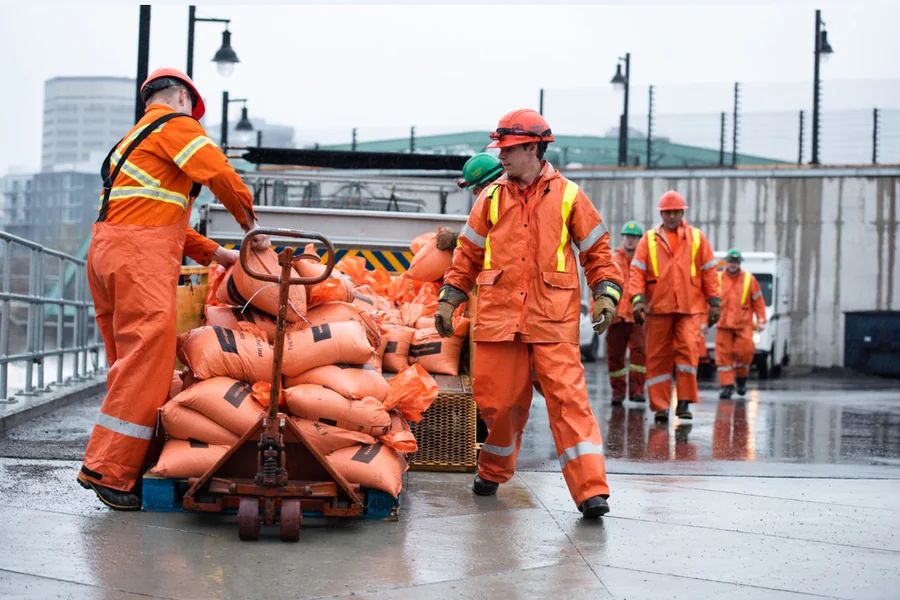
Emergency crews are crucial in restoring essential services and ensuring public safety after severe storms. The success of these efforts depends on efficient logistics, clear communication, and rapid mobilization of skilled personnel. Advanced technologies increasingly support emergency responses, allowing utilities and emergency managers to respond more precisely and quickly. Resources like the https://divergentalliance.com/stormroster/ provide valuable tools for organizing and deploying crews effectively in high-pressure situations. This article explores key components, common challenges, and proven strategies for effective crew coordination during storm recovery operations. Through real-world case studies and industry best practices, it demonstrates how coordinated, timely responses empower communities to recover quickly and build resilience for the future.
Importance of Rapid Crew Mobilization
The 24 to 72 hours following a significant storm are crucial for emergency response and recovery, as utilities and emergency management agencies must act quickly to restore power, repair infrastructure, and ensure public safety. Quick decisions and immediate mobilization of crews can make the difference between a speedy recovery and a community left vulnerable to prolonged outages, health hazards, and secondary disasters. Access to digital crew scheduling tools allows managers to make data-driven decisions, deploy local and mutual aid personnel efficiently, and maintain situational awareness. Rapid mobilization requires meticulous pre-planning, real-time technology, and interagency cooperation.
Challenges in Coordinating Emergency Crews
Storm response is a complex process that involves assessing damage, managing logistics, and coordinating emergency crews. Conducting quick and safe field assessments is crucial to determine the best resource location. Disruptions like broken communication lines and electrical outages can slow efforts, while unexpected hazards like downed trees or power lines can create dangerous conditions. Transporting essential personnel, vehicles, machinery, and supplies to disaster zones is a balancing act. Organizing temporary shelters requires foresight and adaptability. Communication and coordination are essential for integrating local responders with out-of-state teams.
Best Practices for Effective Crew Coordination
Emergency managers and utilities use best practices to enhance recovery operations and coordination. Pre-staging crews near potential impact zones saves time and improves resource allocation. Formal mutual aid agreements provide clear protocols for rapid surge capacity, reducing time-consuming negotiations. Regular drills and information-sharing enhance trust and ensure asset deployment safely. Advanced real-time crew tracking solutions provide a comprehensive overview of deployed teams. This “command center” approach allows leaders to redeploy underutilized personnel, divert teams to emergent priorities, and track progress against restoration targets. This data-driven command structure promotes transparency, accountability, and problem-solving during recovery.
Role of Mutual Aid Agreements
Mutual aid agreements are crucial in enhancing an organization’s response capacity during disasters when resources are limited. They facilitate rapid collaboration across miles, allowing teams to share expertise, equipment, and skilled workers. Michigan’s first EMAC mobilization brought expert recovery crews from Indiana, reducing restoration times and providing relief. Mutual aid agreements clarify responsibility for costs, insurance, liability, and logistics before a crisis occurs, ensuring timely assistance delivery without hesitation or red tape, benefiting affected communities and maximizing life-saving results.
Conclusion
Effective emergency crew coordination is essential to minimizing the impact of severe storms and accelerating community recovery. Emergency managers can ensure a more organized and timely response by prioritizing rapid mobilization, overcoming logistical challenges, and implementing best practices. Mutual aid agreements further strengthen these efforts by enabling seamless collaboration across jurisdictions. Advanced planning, clear communication, and real-time decision-making tools are key to navigating the chaos of post-storm environments. When these elements come together, they create a resilient response system capable of restoring services quickly and safeguarding public safety. As weather events grow more unpredictable, investing in coordinated recovery strategies becomes essential and imperative.
